Specialised cells
Structure fits function.
The exam pattern every time: describe the structure, outline the function, then relate the two. The third sentence is where the marks are.
Animal cells
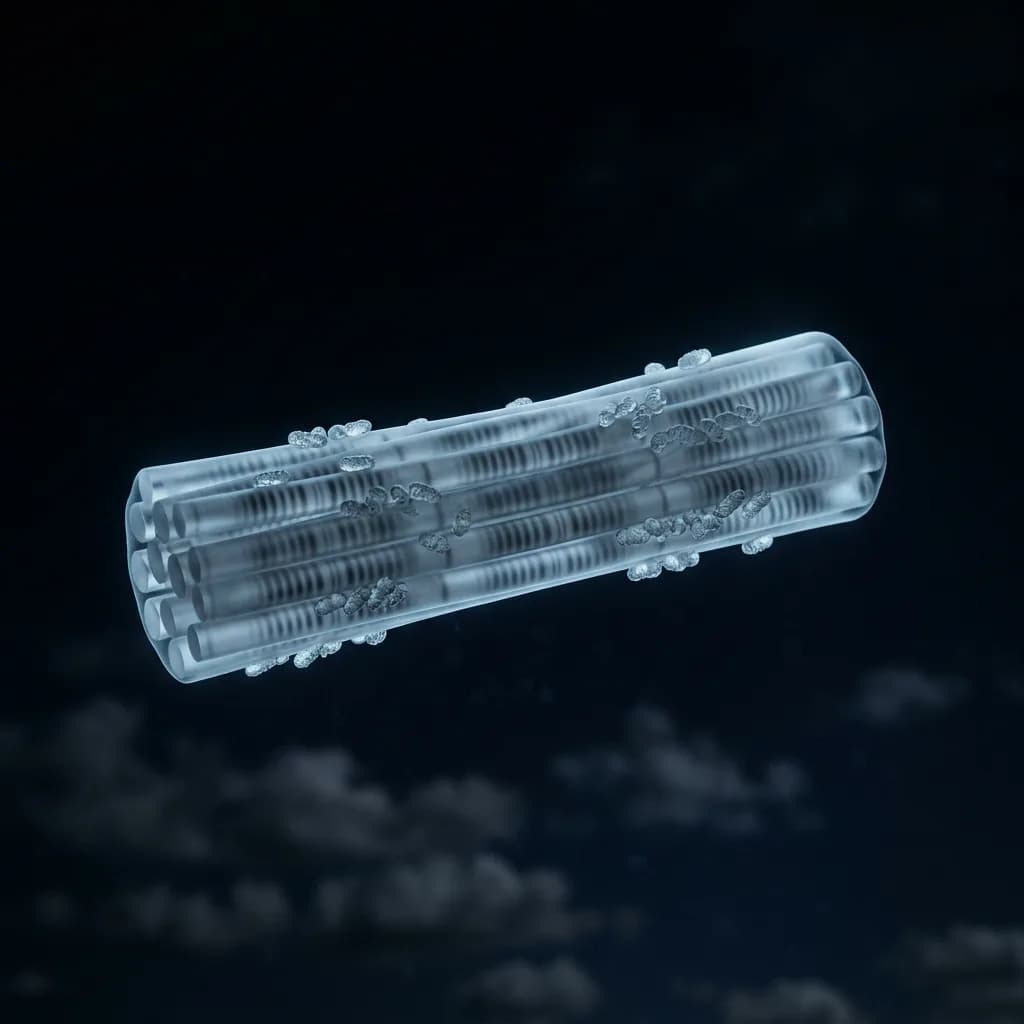
Muscle cell
Structure
Long and thin, packed with mitochondria and special proteins.
Function
Contracts (shortens) and relaxes to move the body.
Relate them
Long stretchy shape lets it shorten and lengthen; many mitochondria release the energy contraction needs.
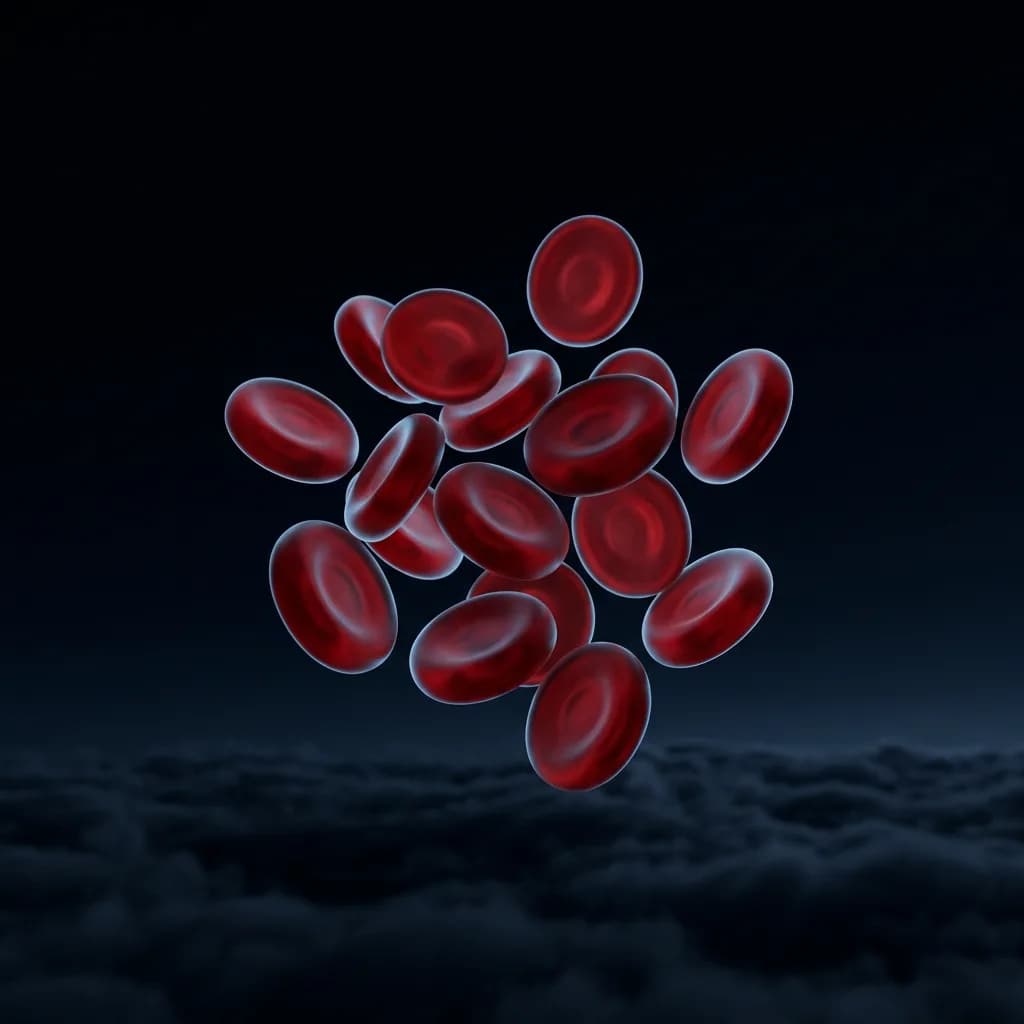
Red blood cell
Structure
Flat, biconcave (dimpled) disc with no nucleus. Contains haemoglobin.
Function
Carries oxygen around the body and removes carbon dioxide.
Relate them
Disc shape gives a large surface area to absorb oxygen; no nucleus leaves more room for haemoglobin.

Fat cell
Structure
Round, with one large fat droplet filling most of the cell.
Function
Stores energy and insulates the body.
Relate them
A flexible membrane lets the cell swell as it stores more fat.
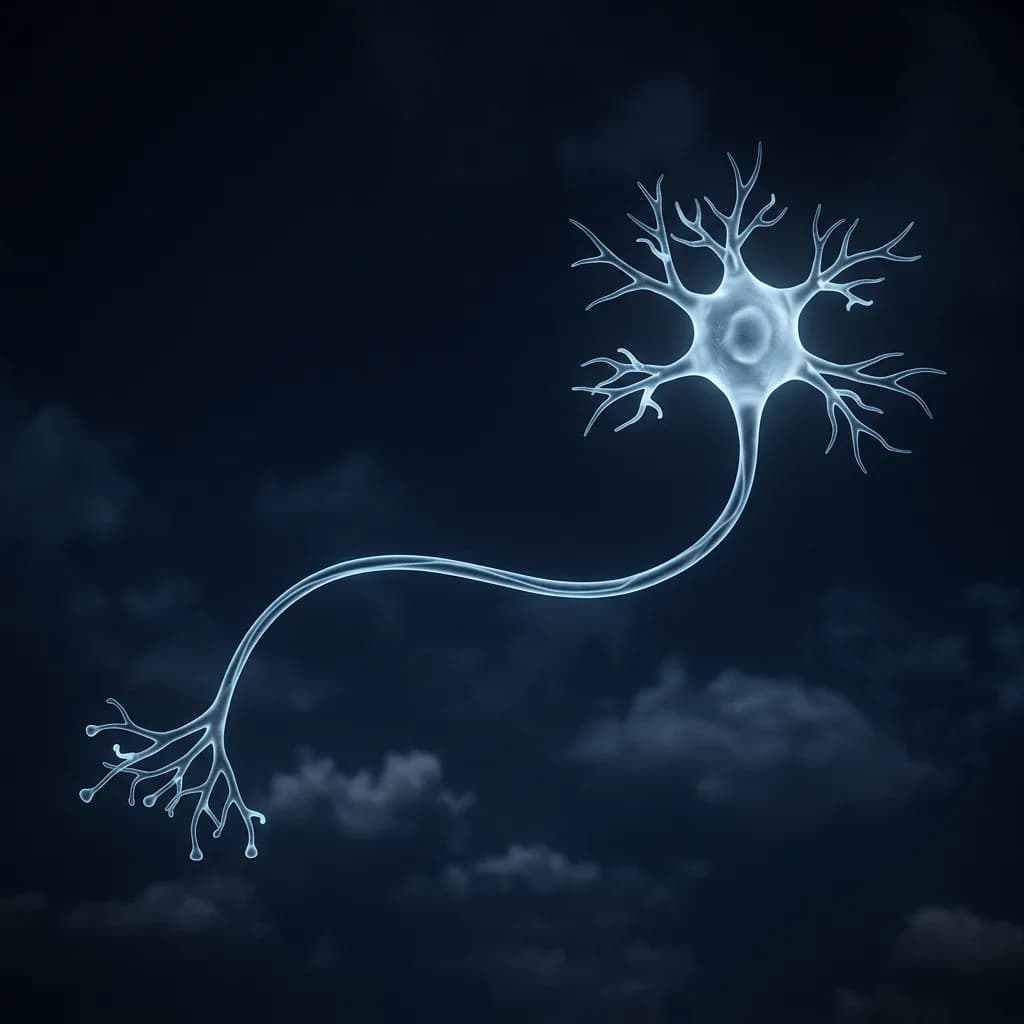
Nerve cell
Structure
Very long and thin, with branches at both ends.
Function
Carries electrical messages around the body.
Relate them
Length carries messages long distances; branches connect to many other cells.

Egg cell
Structure
Large and round, full of cytoplasm, with a large nucleus.
Function
Female sex cell — provides half the genetic information for a baby.
Relate them
Large size stores nutrients in the cytoplasm for early development after fertilisation.

Sperm cell
Structure
Small, with a head containing DNA and a long tail.
Function
Swims to the egg to deliver DNA during fertilisation.
Relate them
The tail lets it swim; the streamlined shape makes swimming efficient.
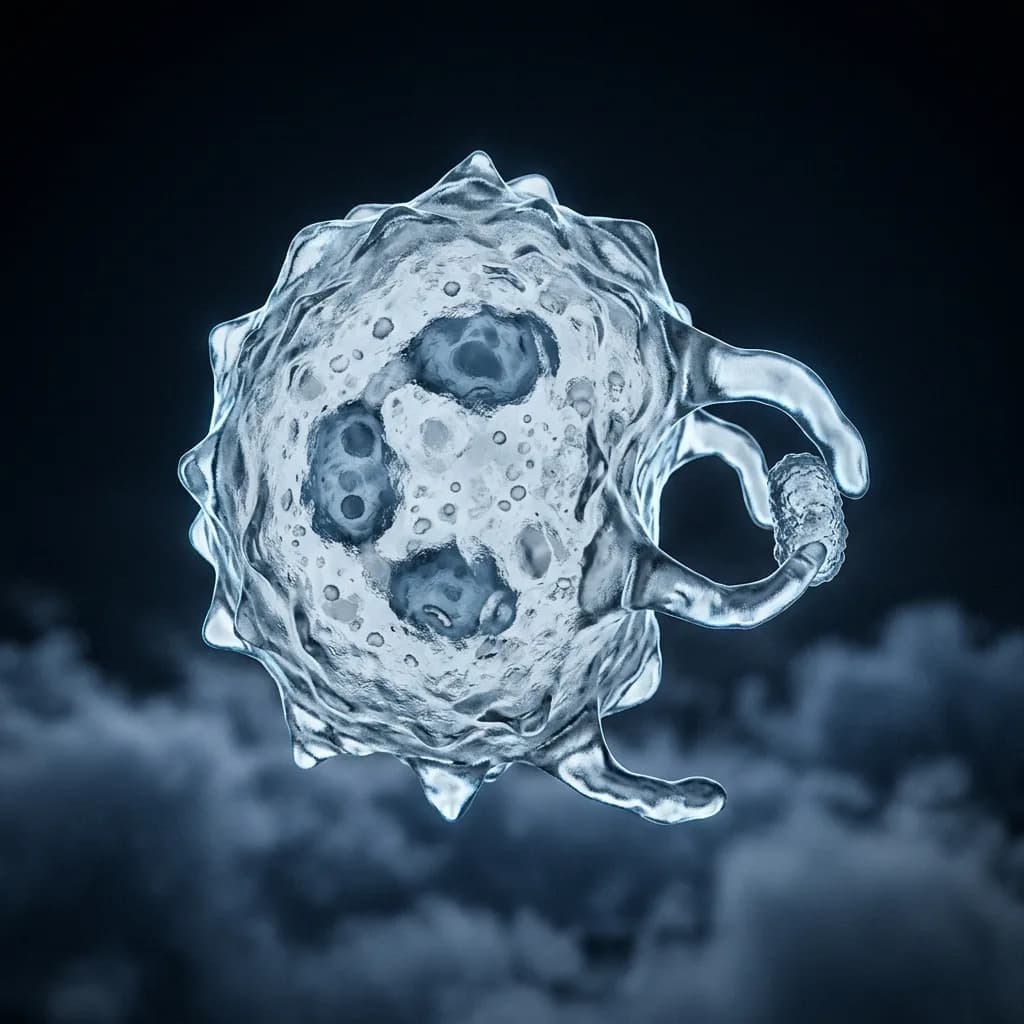
White blood cell
Structure
Irregular shape that can change.
Function
Attacks and destroys germs (bacteria, viruses).
Relate them
Changing shape lets it squeeze through tissues and engulf invaders.
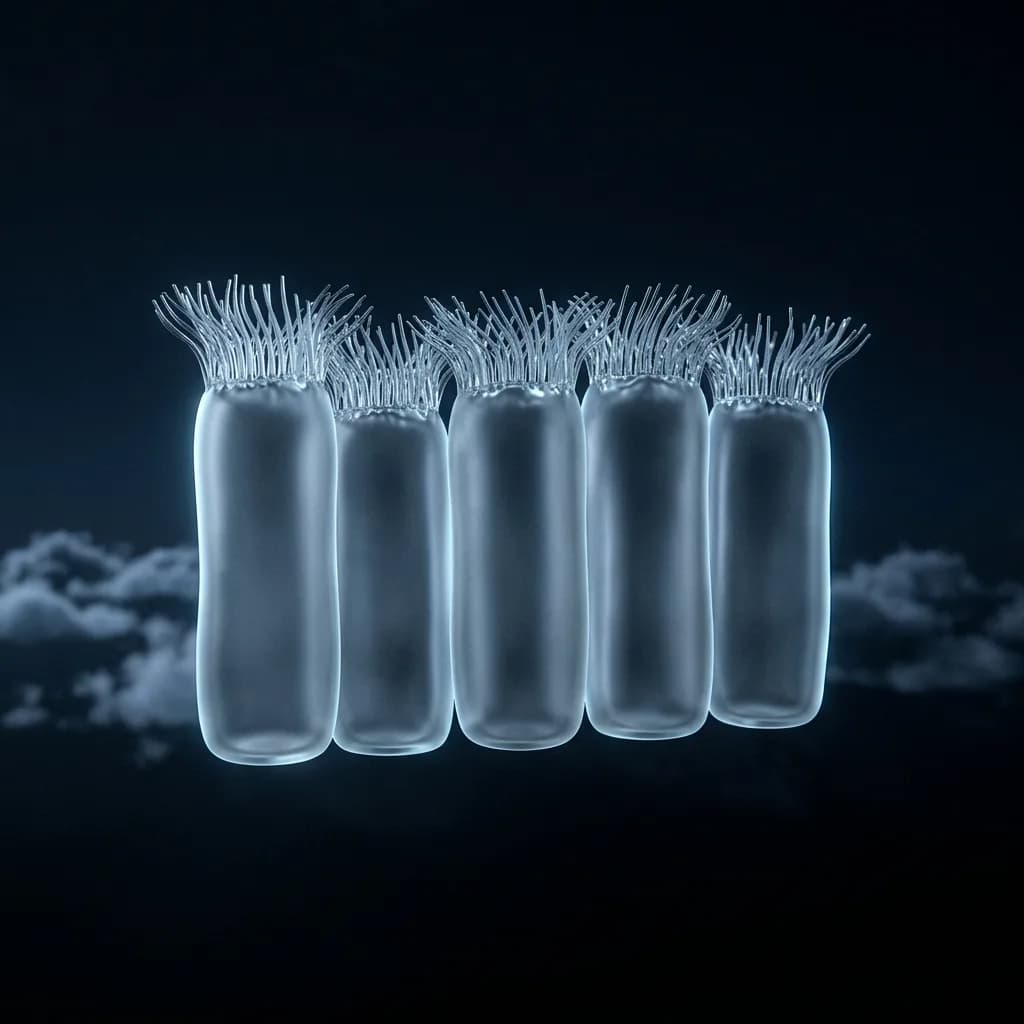
Ciliated cell
Structure
Column-shaped with tiny hairs (cilia) on the surface.
Function
Sweeps mucus and trapped dust out of the airways.
Relate them
Cilia beat in rhythm, pushing substances along the surface of the tissue.
Plant cells

Root hair cell
Structure
A long, thin hair-like extension. No chloroplasts.
Function
Absorbs water (and minerals) from the soil.
Relate them
The hair hugely increases surface area in contact with soil — about 6× more — so more water is absorbed.
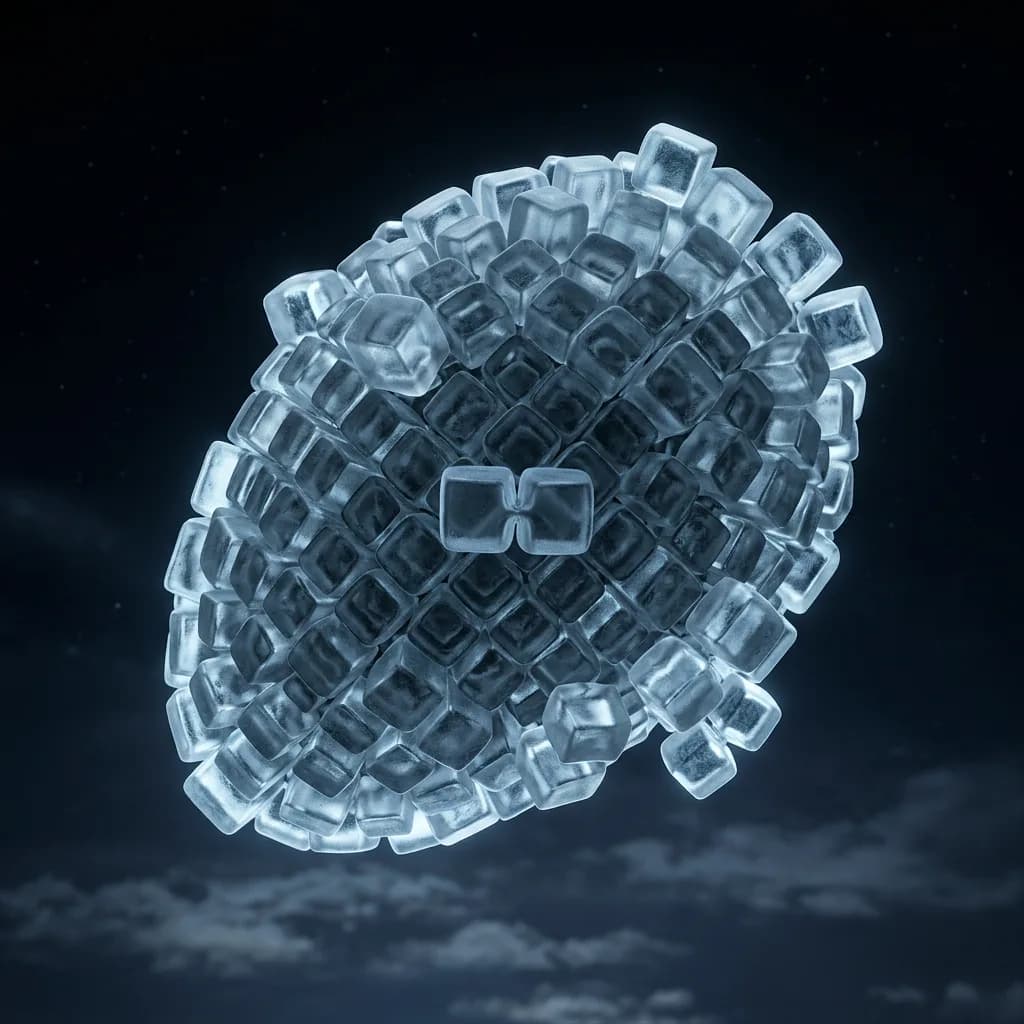
Meristem cell
Structure
Small, unspecialised cells found just above the root cap.
Function
Divide rapidly so the root grows.
Relate them
Being small and simple lets them divide quickly and later specialise into other cell types.
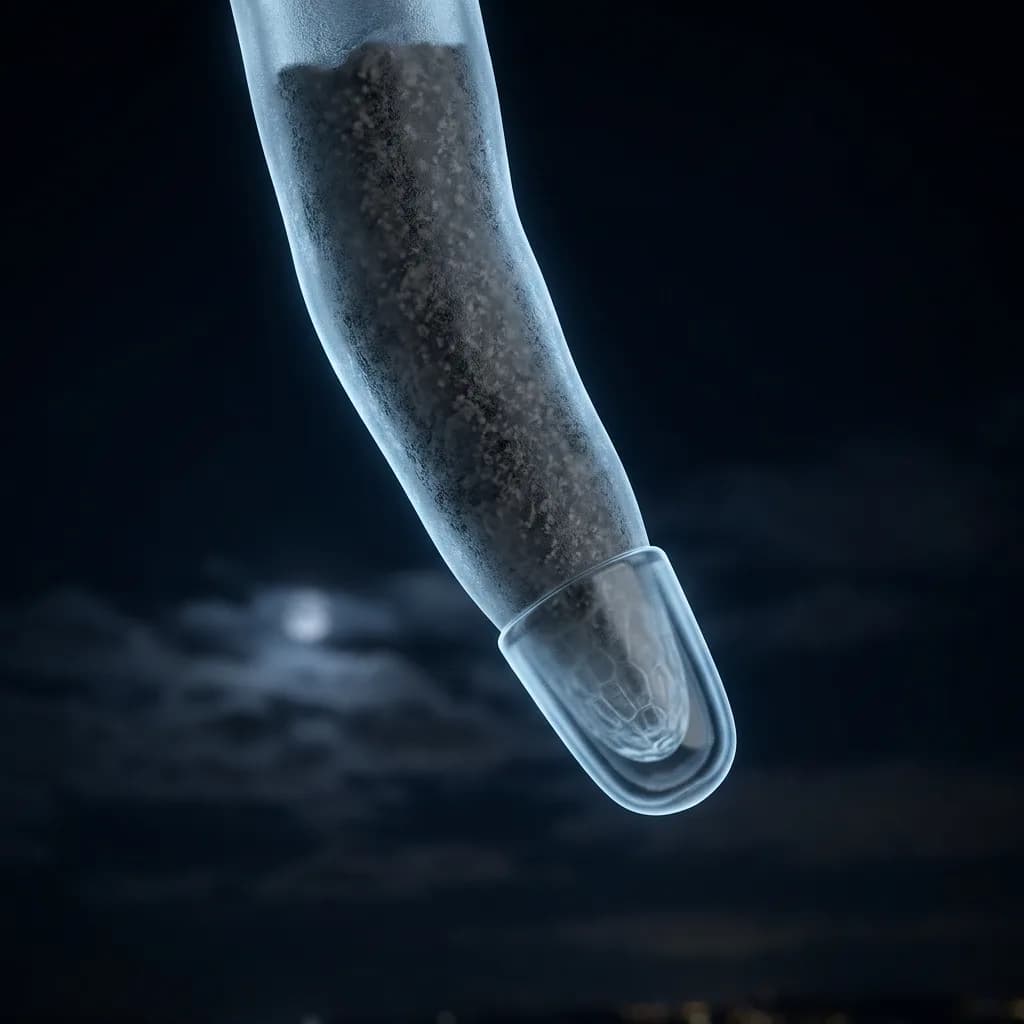
Root cap cell
Structure
Tough cells forming a cap over the tip of the root.
Function
Protects the delicate meristem as the root pushes through soil.
Relate them
Sits at the very tip so it takes the wear instead of the dividing cells behind it.
Why specialise at all?
A single cell can do everything a Paramecium needs. A human has trillions of cells, so no one cell has to do everything — dividing the work is more efficient. Specialised cells group into tissues, tissues into organs, organs into systems. Think of a city: bakers, doctors, drivers.